The increasing interest in solar architecture is almost electrifying, driven by a combination of creative ambition and inventiveness that has fundamentally changed the way designers consider energy. Buildings are becoming seen as extraordinarily effective instruments that produce power in a quiet, efficient, and aesthetically pleasing manner, rather than as static shells. Cities are gradually embracing these concepts; it’s almost as though façades and rooftops are learning to actively contribute to the climate discourse instead of passively absorbing it.
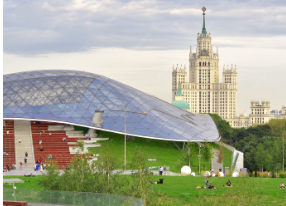
Once considered experimental indulgences, building-integrated photovoltaics are today immensely adaptable tools for architects seeking energy innovation without sacrificing aesthetic integrity. A decade ago, it would have seemed impossible to achieve the subtlety of some of the most remarkable designs, which use colored PV glass that fits in perfectly with the building. Whole facades use gentle earth tones, charcoal greys, or terracotta tones, which make the solar elements blend in with the architecture while still being incredibly effective. For historic districts, where significant visual disturbance would never be permitted, the strategy seems especially advantageous.
| Solar Architecture Key Data | Details |
|---|---|
| Primary Focus | Integrating beauty with sustainable solar design |
| Main Technologies | BIPV, colored PV glass, solar skins, passive solar techniques |
| Architectural Impact | Enhances aesthetics while generating clean energy |
| Environmental Benefit | Reduces emissions, energy demand, urban heat |
| Cultural Influence | Protects heritage structures while modernizing them |
| Leading Research Group | University of Twente – Solar Façade Innovation Lab |
| Reference Link |
These novel materials exhibit behaviors that resemble astute actors adapting to their surroundings. Compared to their earlier predecessors, which were constrained in terms of size, shape, and flexibility, architects frequently characterize them as unexpectedly inexpensive. They can now be stacked, sliced, patterned, or tinted to produce textures that mimic metal, stone, or even wood. Clients who formerly objected to the thought of obviously modern technology encroaching on traditional architectural character have now far more readily accepted this progression.
Passive solar design continues to be a very useful adjunct to these developments, in part because it reclaims knowledge that previous generations naturally valued. Buildings in many northern areas are designed to receive winter sunshine while avoiding harsh glare during the hottest summer months. Architects talk passionately about how just small positioning changes may result in brighter living areas, much lower heating expenses, and extremely efficient interior temperatures. I once went to a house in Oslo that was built using this idea, and even though the snow was gathering silently outside, being inside seemed like being enveloped in bright daylight.
Another important factor is the strategic placement of windows, which allows dwellings to function almost like living things that breathe and control their interior temperature. Because concrete or stone flooring absorbs radiant heat during the day, large triple-glazed apertures on the sun-facing sides frequently result in rooms that remain warm even after nightfall. This is very evident evidence to many designers that function and beauty are not mutually exclusive but rather complement each other when carefully chosen.
Additionally, solar architecture fosters innovation that goes beyond practical limitations. Architects and artists are starting to work together on energy-producing installations that enhance public areas. From Copenhagen to Seoul, parks are starting to feature sculptures of solar structures that resemble petals, sails, or winding ribbons, allowing visitors to engage with sustainable design in a lighthearted way. Seeing kids congregate beneath a solar-powered canopy that silently charges the lights above them while creating glistening shadows is incredibly uplifting.
This creative spirit carries over into landscaping, where photovoltaic trellises, solar pergolas, and shaded walks combine energy generation with vegetation. As a result, communities can interact with sustainability in ways that feel organic rather than coerced, reducing the mechanical feel that is frequently connected to renewable technology. According to a Toronto designer I spoke with, it’s “letting technology whisper instead of shout,” which seems especially creative in crowded areas that yearn for both clean energy and shade.
The development of solar architecture has also assisted heritage conservation, a delicate field where aesthetics have emotional significance. Custom tiles and discrete solar coverings allow buildings to transition to energy modernization much more quickly while maintaining historical outlines. Nowadays, solar cells are concealed beneath colored glass that resembles traditional clay but works incredibly well on some of Italy’s terracotta rooftops. Seeing these rooftops is like witnessing two eras working together without conflict.
Materials scientists at the forefront of technology are creating solar components that exhibit nearly flawless behavior. Even on overcast days, diffuse light can be captured using transparent PV glass, which also guides photons at angles that optimize production. Because there are more vertical surfaces than horizontal ones in urban buildings, these innovations have proved especially inventive. Designers are able to take advantage of opportunities that were previously restricted by roof size by converting glass walls into energy producers. Hints of this trend can be seen in cities experimenting with vertical solar façades, which reflect ambient light and glow subtly at sunset.
Compared to previous sustainability trends, energy companies and design studios are expanding these breakthroughs much faster through strategic partnerships. Universities and manufacturers work together to test innovative coatings, long-lasting layers, or surfaces with micropatterns that improve absorption. With the help of regulatory incentives that promote risk-taking and innovative problem-solving, their advancements have created an ecosystem where experimental innovations quickly become commercial undertakings.
The change in society is just as significant. Nowadays, a lot of homeowners view solar design as a statement about the type of future they choose to live in, rather than merely as a technological advancement. Living in a house that elegantly maintains its design while silently producing its own electricity gives one a sense of pride. Once disapproving of industrial-looking rooftop panels, friends now appreciate sleek solar shingles that are so inconspicuous that only a keen eye can notice them. One of the most potent forces behind widespread adoption to date may be that emotional shift—the pleasant feeling of selecting something progressive without compromising beauty.
Without destroying a building’s identity, solar design provides an incredibly resilient route to energy independence in the face of global warming. A surprisingly achievable harmony is produced by the combination of carefully considered orientation, passive heating techniques, creative solar installations, and aesthetically integrated photovoltaics. This trend softly combines sustainability and beauty, enabling communities to embrace renewable energy with pride and confidence.