With a calm confidence, solar electricity is transforming refugee settlements, providing people with a lifeline that seems incredibly successful in its simplicity. This change, which provides consistent and clean electricity, gives inhabitants a sense of dignity that they say is very helpful, especially as the sun sets and the camp becomes a system of lit walkways. Speaking about how illumination alone has greatly decreased the risks that women and children face after dark, relief workers’ voices sounded remarkably similar in recent days. Many people compare it to a swarm of bees operating in a natural rhythm, with each light subtly promoting a safer area.
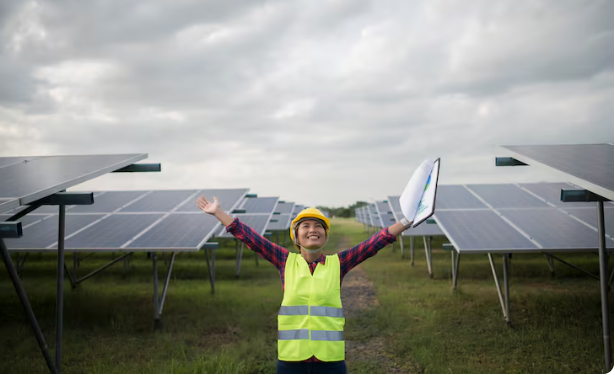
Solar-powered streetlights have evolved into incredibly dependable protectors. After installation, they alter movement patterns in subtle yet profound ways. Markets remain open longer, residents may move around freely, and kids walk with a notably higher level of confidence. According to an Azraq teacher, solar-lit lanes provided “a kind of soft promise” that safety was no longer solely dependent on daylight. This mentality change has been especially creative, pushing camps away from temporary solutions and toward sustainable, people-centered design.
Key Context for Solar Power in Refugee Camps
| Topic | Details |
|---|---|
| Issue Addressed | Energy scarcity and unstable power access in refugee settlements |
| Primary Technology | Solar microgrids, solar lanterns, PV installations, battery storage |
| Core Benefits | Safety, health, education, economic empowerment, clean water |
| Supporting Organizations | UNHCR, IKEA Foundation, Mercy Corps, Humanitarian Energy |
| Reference |
Health clinics now run with incredibly efficient continuity thanks to solar technologies, guaranteeing that nebulizers and vaccines stay cool and operational even during erratic power outages. According to nurses, houses who switched from smokey biomass stoves to electric cooking equipment have seen a considerable decrease in respiratory problems. Mercy Corps has been advocating for this shift through surprisingly low-cost experimental programs. Although the emotional impact of this change is frequently subtle, families report that the relief is particularly noticeable when they observe better indoor air and fewer episodes of coughing.
Expectations about what a functional camp should offer changed during the epidemic as the necessity for consistent power became particularly pressing. Solar arrays emerged as a very adaptable alternative, enabling computerized record systems for health monitoring and refrigerators for storing medications. Medical personnel emphasized the expanding relationship between humanitarian resilience and renewable energy, demonstrating how technology can be both useful and humane.
Another area where solar electricity has been especially helpful is education. Learning hours that were previously unattainable are created when kids study under LED lights that provide a steady glow even after sunset. Parents tell tales of their children completing their schoolwork without hurrying before the sun sets. Volunteers report that after solar lamps were given out, scholastic achievement has significantly increased in several camps. These tiny gadgets, which are frequently incredibly robust, give students the ability to create quiet areas in otherwise bustling tents, giving their evenings a delicate stability.
When electricity becomes dependable enough for business owners to confidently organize their days, economic empowerment flourishes. Solar-powered stores are bustling with activity, selling cold drinks, printing paperwork, and charging phones. These microbusinesses are described by refugees as extremely effective sources of pride and revenue. Organizations teach locals how to install and maintain solar units through smart partnerships, starting a generational cycle of skill development. Humanitarian organizations have expanded digital engagement in ways that feel much speedier and more inclusive by incorporating these technical solutions, which have guaranteed safe transactions for mobile-money services.
Enter Energy has recently moved away from expensive diesel generators by introducing solar microgrids that have connected more than 300 refugee-run companies to reliable electricity. Shop owners were encouraged to spend time experimenting with new services or increasing inventory because of the more seamless flow of energy. Because of how successful that momentum has been, local governments have joined together to build streetlights in both host and refugee communities. As a result of the effort, evening streets are now vibrant, friendly thoroughfares where business and community coexist peacefully.
Access to clean water powered by solar pumping devices has emerged as a significant development. Boreholes use solar energy to provide clean drinking water quickly and with much less hand pumping. There has been a subtle but profound change in daily life as women who used to spend hours gathering water now focus on their education or jobs. According to engineers, these devices are revolutionizing businesses by automating processes that previously required physically taxing labor. This transition to water security supported by renewable energy sources has become crucial in light of mounting climatic pressure.
The effects on the environment are also becoming more noticeable. Adoption of solar reduces deforestation surrounding camps, reducing the long-standing conflict between host communities and refugees over the scarcity of firewood. Because solar cooking and lighting systems scale effectively, aid organizations view this reduction in resource strain as remarkably enduring. Due to increased climate risk and the need for sustainable operations across international agencies, the use of renewable energy in humanitarian settings has increased dramatically over the last ten years. These days, refugee camps serve as proving grounds for resilient infrastructure, impacting larger policy discussions in important institutions.
One of the most ambitious instances is the solar farm in Jordan’s Azraq camp, which is funded by the UNHCR and the IKEA Foundation. Its expansive design provides a glimpse of how large-scale energy projects might be reproduced elsewhere by directing sunlight into a matrix that lights thousands of shelters. Engineers refer to it as a model for what future camps should strive to be: economical, ecologically conscious, and rooted in community needs. In Ethiopia’s Dollo Ado region, where more than 130,000 displaced people confront electricity access issues comparable to those in previous settlements, the project’s success has prompted similar initiatives. With new, highly dependable solar and battery systems, Humanitarian Energy is growing its services and improving operations for organizations, including a number of UN agencies.
It is impossible to overlook the emotional overtones when one observes how daily activities have changed. Refugees spoke quietly with pride about being able to light their home, run a refrigerator, or charge a phone without fear of running out of fuel. The transformation was compared by one store owner to “a slow sunrise that never really sets,” a vividly optimistic picture. These technologies assist families in reestablishing not only routines but also identities based on competence rather than crises by bringing solar innovation into line with human needs.
The advantages of solar systems go far beyond power as they continue to grow. They promote economic innovation, a sense of autonomy, and communal trust, all of which locals say are necessary for dignity. Energy experts predict that solar microgrids will be more easier to construct, shockingly inexpensive to operate, and more integrated into humanitarian planning in the years to come. This trajectory points to a future in which refugee camps prosper due to sustainable mechanisms that empower individuals at every stage in addition to aid.