As solar roof tiles start subtly altering suburban streets with the ease of a gentle architectural breeze, discussions regarding home energy have recently changed into an incredibly effective swirl of optimism. According to homeowners, the trend is remarkably comparable to the early days of electric vehicle adoption, when adoption was initially mild but continued to gain strength until entire neighborhoods were changed. These tiles are becoming especially helpful for families that desire a cleaner future without sacrificing comfort or appearance because they integrate into rooftops like they were originally supposed to.
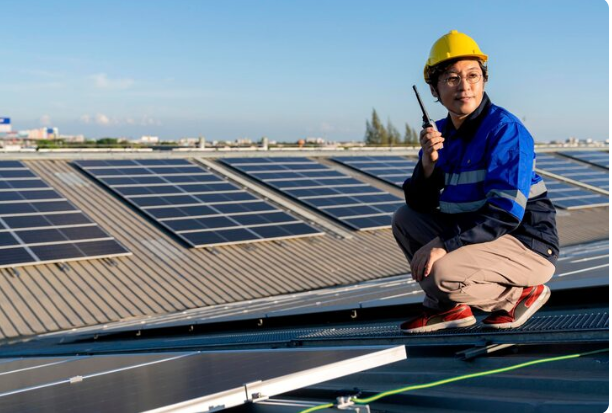
Manufacturers have worked with architects and renewable-energy designers to produce a more sophisticated product that seems remarkably adaptable, significantly enhancing the sensation of energy independence in even older homes. Invisible solar tiles have greatly decreased aesthetic hesitancy, although many suburban homeowners acknowledge that they previously opposed conventional solar panels due to their perceived bulk. Driving through recently constructed developments, where the rooftops seem untouched but every tile is silently transforming sunshine into useful power, streamlining operations and relieving homeowners of rising utility expenses, makes the transition particularly evident.
Key Information About Solar Roof Tiles
| Category | Details |
|---|---|
| Technology Type | Building-Integrated Photovoltaics (BIPV) |
| Primary Materials | Monocrystalline silicon, thin-film cells, tempered glass composites |
| Average Efficiency | 15%–22% depending on design and tilt |
| Lifespan | About 25–30 years |
| Main Benefit | Seamless energy generation built directly into roofing |
| Leading Innovators | Tesla, GAF Energy, CertainTeed, SunTegra |
| Typical Applications | Homes, small commercial roofs, renovation projects |
| Reference Website |
The use of renewable energy has increased dramatically over the last ten years, primarily due to homeowners looking for products that are both aesthetically pleasing and functional. That desire gave rise to solar tiles, a solution that seems incredibly effective and surprisingly cost-effective when long-term savings are taken into account. Millions of people started working remotely during the pandemic, which changed how much energy was needed domestically in the future. Many families became very creative in their approach to home improvements as a result of that change. Solar roof tiles today feel so timely, providing an incredibly durable avenue toward reducing home expenditures, as energy grew more personal, more emotive, and more evident in monthly budgets.
These tiles have an intriguing mechanism that resembles a swarm of bees moving in unison on a rooftop. In a method that seems straightforward but is intricately designed, photovoltaic cells in each tile gather sunlight and transform it into electrical power. Manufacturers have used cutting-edge materials to produce tiles that precisely capture sustainable energy while looking identical to conventional shingles. Micro-inverters in each tile help control output individually for residences partially shadowed by tall trees or chimneys, guaranteeing that energy generation remains more faster and more dependable than with prior systems.
Homeowners frequently relate brief stories about their initial months of solar tile use, describing how they had an unanticipated sense of accomplishment when their energy dashboards showed significant decreases in grid dependency. A homeowner described the experience as peaceful, steady, and incredibly fulfilling, like seeing a garden take root. Adoption has proven incredibly successful among suburban families that value sustainability yet desire a seamless upgrading because of this emotional link.
Reducing carbon emissions has been a primary goal for many local governments in light of growing climate constraints, pushing householders to consider changes that naturally fit into everyday routines. Solar roof tiles provide a balance between functionality and understated style. Installation requests have dramatically grown since new renewable-energy incentives were introduced in a number of jurisdictions, demonstrating the allure of a hardly noticeable energy solution. These rooftops are viewed by municipalities as low-resistance solutions that may swiftly expand throughout communities, offering energy stability at a period when violent storms and heat waves pose a threat to established power networks.
Manufacturers have extended their market reach through strategic alliances, introducing solar tiles into areas that were previously thought to be too hot, too cold, or too humid for reliable performance. These collaborations also strengthened hail resistance and improved anti-corrosion coatings, enabling tiles to endure severe weather conditions with remarkable longevity. Because polymers and tempered glass improve structural integrity, engineers observe that the tiles’ long-term durability has significantly improved over the last five years.
The difficulty for medium-sized companies engaged in design and construction is frequently striking a balance between energy standards and customer expectations. In this sense, solar roof tiles have become especially advantageous, providing both aesthetic appeal and conformity with contemporary requirements. Builders value the tiles’ seamless integration into current processes, which makes them incredibly effective alternatives to traditional roofing.
Solar roof tiles are predicted to transform suburban energy planning in the upcoming years, enabling communities to generate a significant amount of their own electricity. According to some analysts, these tiles will no longer be luxuries but rather typical features on rooftops in places like California, Arizona, and Texas by 2030. Now, this trend seems much less innovative and more like a logical development of home design.
Engineers gained the trust of homeowners who were previously concerned about safety by incorporating solar technology directly into roofing materials, ensuring tight connections that protect wire from environmental deterioration. According to one technician, the tiles function similarly to a mild thermal engine, converting daylight into consistent electricity without producing any additional noise or mechanical movement. From a maintenance standpoint, the procedure seems very clear: energy harvesting may continue smoothly and continuously as long as the surface is kept free of heavy dust.
Quiet imitation is a common way for trends in suburban culture to propagate. A single upgrade becomes a local trend when a neighbor is inspired by a single home with solar roof tiles, and that neighbor in turn inspires another. This dissemination is similar to how hybrid cars first showed up infrequently before becoming commonplace in driveways all over the nation. Similar social effect is exerted by solar tiles, which come to represent modern living and careful investment.
One intriguing link is the way eco-conscious celebrities have started using solar panels on their vacation houses and discreetly displaying them in magazine-featured architecture. Social media posts that magnify these peeks have been incredibly successful in getting younger homeowners to think about the technology. Influencers in the sustainability space also emphasize the emotional fulfillment of creating one’s own energy, likening it to tiny rituals that bolster hope for the future, like cultivating your own crops or collecting rainwater.
Solar roof tiles have the potential to significantly alter energy landscapes as suburbs continue to grow. A system that is not only incredibly dependable but also tastefully incorporated into the roofs that shelter their life gives families looking for long-term solutions a sense of empowerment. These tiles represent a move toward dwellings that actively contribute to their own power supply by silently producing energy on innumerable sunny afternoons. Suburban areas are becoming places where sustainability and design coexist together by adopting technology that seems both modern and familiar.