As solar technology advances, cold nations are finding themselves in a surprise advantageous position. The change is very analogous to witnessing an underdog subtly gain domination by simply knowing the game better than anyone thought possible. Engineers and legislators in these colder areas have made tremendous advancements in solar energy harvesting techniques in recent years, leveraging the inherent circumstances of the climate to greatly increase efficiency. The irony is almost poetic: regions that were once thought to be too gloomy, too frigid, or too sun-starved are today developing solar energy in ways that countries with more sunshine are increasingly researching.
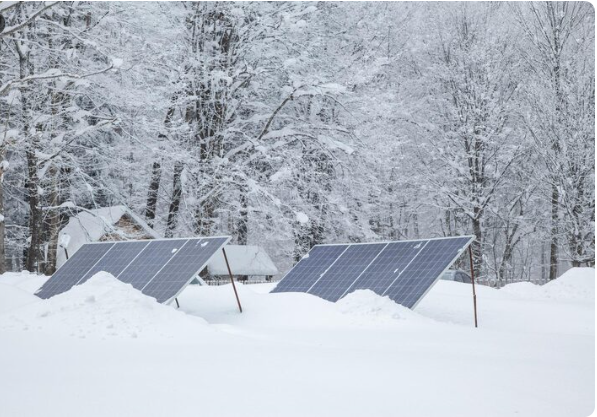
The fact that photovoltaic cells run on sunshine instead of heat is especially advantageous for nations with cold climates. When solar cells are kept cool, their conductivity increases, enabling them to generate power more effectively than when the same panels are baked in extremely hot conditions. It’s a little technical point, but it becomes very evident when you observe how solar output increases on clear, bright winter days in areas like Alberta or Sweden. These conditions are frequently referred to as extremely efficient by engineers in these nations, which is quite comparable to how sportsmen perform better when they are not overheated or exhausted.
| Key Aspect | Information |
|---|---|
| Core Topic | Why Cold Countries Are Suddenly Winning at Solar Energy |
| Main Drivers | Higher solar cell efficiency in cold temperatures, improved panel angles, advanced coatings, strong policy incentives |
| Leading Regions | Norway, Sweden, Finland, Denmark, Iceland, Canada, Northern Japan |
| Key Technologies | Vertical solar façades, FSLSC light-redirecting materials, automated trackers, heated panel systems |
| Structural Advantages | Longer summer irradiance, reflective snow boosting output, stable renewable grids |
| Verified Reference |
Installations created to take advantage of these climatic benefits have changed the urban and rural landscapes of many frigid countries. Due to their remarkable accuracy in gathering low-angled winter sunlight, vertical solar façades are growing in popularity. Snow may easily slide off panels positioned on steep inclines, often almost vertical, avoiding the heavy accumulation that previously reduced solar yield. According to researchers, winter output rises faster than summer output falls, providing a balanced annual yield that is exceptionally efficient for heating homes and heat pumps in the winter.
The Free-Space Luminescent Solar Concentrator, or FSLSC, is a material that Rebecca Saive and her team have been creating at the University of Twente. It works almost like a silent assistant, continuously rerouting stray sunlight toward panels installed elsewhere. This is one of the most inventive discoveries made. This material ensures that panels receive a highly effective stream of photons even when weather conditions change unexpectedly by catching light from any angle, whether it is reflected off clouds, bounced off snow, or arrives from the low winter sun. As a controlled beam of redirected light is sent toward the panel, the material goes black when viewed from the side, providing a highly adaptable new method of renewable energy production for buildings and urban surfaces.
By continuously modifying panel orientation to follow the changing light, automatic solar trackers have greatly decreased seasonal variability throughout Scandinavia. When compared to fixed panels, this technique has shown significant improvement, providing a means of converting the limited winter daylight into useful energy production. It resembles a synchronized dance, much like watching a swarm of bees use collective intelligence to increase efficiency without human intervention by changing their forms to keep in line with a moving goal.
In these colder climates, government incentives have been a very effective way to speed up adoption. For example, long-term subsidies in Norway and Finland incentivize private utilities and homeowners to incorporate solar into their energy portfolios. Because these programs lessen reliance on imported fuels and improve energy security during catastrophic weather events, policymakers contend that they are incredibly enduring investments. Remote areas of northern Europe were mostly dependent on varied renewable grids throughout the pandemic, and this adaptability greatly decreased interruptions during times of peak demand.
Snow’s ability to reflect light is a significant element in colder nations’ superior solar adoption. By rerouting sunlight into the panels at advantageous angles that boost output, snow acts almost like a massive natural mirror. Reflective ground mats and other surprisingly inexpensive inventions intensify this impact, thereby transforming every rooftop installation into a small, light-catching habitat. The snowy environment has been compared by engineers to a “bonus panel” that silently supports the main system. This natural occurrence has been far quicker at improving winter performance than previous mechanical fixes.
By combining solar energy with geothermal and hydroelectric, nations like Iceland gain an additional edge. They have constructed mixed renewable systems that are incredibly dependable all year round because to clever collaborations between public and private companies. Geothermal plants easily take over when the sun is dimmed by snowstorms or wind, simplifying operations and allowing solar systems to operate at their best capacity during clear periods. This combination approach has been especially helpful in suburban regions where households who rely on electric heating value consistency and dependability.
A similar strategy has been used in Northern Canada, where federal funding is directed toward Indigenous communities pursuing energy independence. Reducing reliance on diesel generators, which are expensive, polluting, and susceptible to supply delays during severe winters, is typically seen by local authorities as an emotional relief. Communities gain autonomy that feels incredibly empowering and significantly enhances long-term sustainability by incorporating solar arrays made for Arctic performance, complete with heated frames and self-clearing modules.
The move away from rooftops and toward façades is an interesting trend coming out of these cold solar locations. Walls in crowded cities like Oslo and Copenhagen are proving to be quite adaptable as surfaces, offering a large surface area without limiting the usage of rooftops for heat pumps or gardens. By subtly altering architectural conventions, these vertical installations give city blocks an energy-producing purpose that mixes in perfectly with contemporary architecture. Reflective paint, light-redirecting materials, and smart-angled panels combine to turn conventional façades into extremely efficient surfaces that can significantly reduce local energy requirements.
Celebrities who support climate change have also taken notice. In a recent climate documentary, Leonardo DiCaprio praised Scandinavia’s audacious governmental initiatives and the creative integration of solar façades in urban areas, highlighting the possibilities of cold-region solar. Younger audiences were inspired to investigate renewable technologies by his remarks on social media since they were more approachable and shockingly less expensive than conventional rooftop installations.
Tech executives are also listening. In a 2025 energy study, Bill Gates referred to vertical solar façades as “a crucial piece of the puzzle for high-latitude nations” and emphasized how these advancements might significantly lessen worries about energy scarcity in the winter. It is impressive how well these public endorsements work to change policy, spur investment, and encourage businesses to develop technology that solve winter inefficiencies.