In large cities, solar panels have evolved from a technical advancement to a subtly distinguishing feature that shows a homeowner’s faith in progressive decisions. Now, you see rooftops dotted with gleaming arrays that seem silent proclamations of independence. The change is quite comparable to past periods when smart home systems or hybrid vehicles became synonyms for a particular kind of knowledgeable citizen. Since energy choices now reflect lifestyle as much as utility, the new wave of rooftop technology has significantly transformed how people discuss modern living.
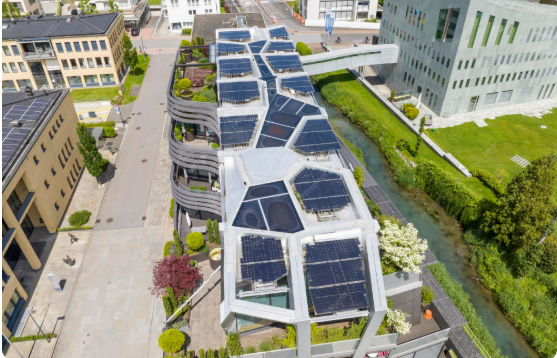
The strong need for stability is a major factor in this change. The capacity to produce their own electricity feels extremely successful at reestablishing a sense of control for residents in densely populated areas who have suffered unpredictable jumps in energy prices. When their panels click at morning, many homeowners report feeling at ease. It’s almost like a daily reminder that their homes are safe from volatility. This assurance is especially helpful in urban areas where the grid has been under stress, giving the impression that residences with solar panels are incredibly dependable and financially stable.
Key Factors Behind Urban Solar Panel Adoption
| Key Factor | Description |
|---|---|
| Economic Independence | Solar panels reduce reliance on unstable grid systems and help homeowners control long-term electricity costs. |
| Social Identity | Visible solar installations signal progressive values, modern living, and environmental responsibility. |
| Technological Appeal | High-efficiency systems, smart storage, and sleek solar designs offer cutting-edge energy solutions. |
| Environmental Commitment | Solar energy use sharply cuts emissions, aligns with climate-conscious lifestyles, and reflects responsible choices. |
| Property Value | Homes with installed solar systems attract buyers, offering increased resale value and measurable financial appeal. |
Beyond economics, there is greater symbolism. Solar panels are becoming a clear sign of environmental consciousness. Many individuals want their decisions to show real concern rather than showy gestures as climate concerns grow. Installing panels is a choice that turns purpose into action, and neighbors who frequently respect such endeavors find resonance in this genuineness. Homeowners’ enjoyment of being a part of a larger commitment to sustainable living is remarkably evident, demonstrating how private acts can quietly affect public behavior.
The trend has been accelerated by celebrities. Famous people like Emma Watson and Leonardo DiCaprio frequently discuss sustainability, and their support of renewable technology has greatly diminished the idea that solar energy is only appropriate for rural homes. Rather, panels are becoming more and more linked to ambitious, intelligent urban life. When these popular people advocate for more environmentally friendly options, their influence spreads across social media platforms in a quick, coordinated, and collective manner akin to a swarm of bees changing course. Their example serves as especially creative motivation for city dwellers who are ready to stand for something important.
The development of technology itself has also shaped this status symbol. These days, solar systems are quite adaptable. Instead of using industrial equipment, residences can use building-integrated photovoltaics to integrate power-generating surfaces that look like elegant architecture. These days, designers produce elegant battery storage systems, transparent solar windows, and solar tiles to fit urban lives. People that appreciate aesthetics as much as usefulness can now follow the trend because these advancements seem considerably faster and cleaner than previous iterations.
Additionally, urban planners have quietly contributed to the advancement of solar reputation. Cities show that renewable energy is not an experiment but rather a component of a highly efficient future by incorporating it into public infrastructure, such as solar benches, charging pods, and shaded sidewalks. This change makes adoption more commonplace and offers homeowners the assurance that they are part of a group effort rather than working alone. Municipalities and utility companies have increased incentives through strategic partnerships, making solar adoption shockingly affordable, especially for middle-class households.
However, public signaling is not the only factor contributing to the appeal of solar panels. Additionally, there is an emotional component. When homeowners observe their meters moving backwards or their batteries silently charging, they express a feeling of pride. It is similar to regaining control of energy, which was previously thought to be unattainable. This emotion frequently turns into advocacy for early adopters. They conduct rooftop visits, post production screenshots on social media, and discuss their observations with pals. These actions show how sustainable living seems shared rather than alone, fostering a sense of community.
Solar panels are also frequently linked to a purpose-driven way of living. People want their homes to serve as symbols of responsibility in light of global warming. Solar panels serve as tangible evidence that people are contributing to the solution rather than just witnessing it. Because parents frequently present these installations as investments in their children’s future, this notion proves remarkably resilient across generations. This sentimental story has taken off over the last ten years, transforming renewable upgrades into potent manifestations of individual ideals.
The attractiveness is still growing due to technological advancements. Smart inverters and monitoring systems offer real-time insights into usage and savings by utilizing advanced analytics. With the ability to monitor their hourly production, homeowners can now make energy use transparent. With the help of these tools, households can react to increases in consumption much more quickly, forming extremely productive and profitable habits.
The attractiveness is enhanced by battery systems. Homeowners can store extra energy and use it when demand is high thanks to modern storage systems. This independence feels incredibly liberating. It makes it possible for houses to continue operating normally even during outages and lessens dependency on erratic grids. Solar-powered homes serve as community anchors during heatwaves, storms, or unplanned outages, helping neighbors who need to keep medication or charge electronics. Solar is becoming more and more recognized as a symbol of readiness because to these subtly heroic occurrences.
The symbology has even been adopted by the real estate industry. According to recent studies, homes with solar panels fetch greater prices and draw in buyers faster. Because panels indicate lower operating costs and less susceptibility to energy shocks, real estate agents refer to these properties as future-ready. Young professionals who appreciate modernity and robustness will find solar homes especially appealing because of these features. Banks and mortgage lenders have caught up, providing green financing packages that make solar adoption easier than before. For many, it’s like adopting a way of life that combines creativity and accountability.
Despite these benefits, obstacles continue to influence the adoption of solar energy in urban areas. Shade is produced by dense skylines, and rooftop space varies greatly. However, architects have responded with significantly better solutions. Power optimizers, microinverters, and tilted arrays reduce shading problems so that panels can efficiently gather energy all day long. Usable surface areas are increased via solar carports and façade systems. AI is predicted to transform solar design in the upcoming years by examining patterns of shade and making incredibly accurate placement predictions.
Although the weather in cities is still unpredictable, developers are now using adaptive technologies that improve energy capture even when clouds are present. Long-lasting performance is ensured with durable materials that can endure temperature changes and pollutants. The process of moving from interest to implementation has been streamlined by the notable increase in installation approvals after the introduction of updated building codes in a number of locations.
Rooftop solar has emerged as a clear indicator of preparedness as more cities deal with warming temperatures, overloaded power systems, and mounting environmental stress. Because it represents both advancement and protection, the symbolism appeals to people of all ages. Solar-powered homes are a sign that their owners are embracing them immediately rather than waiting for long-term fixes.