For the world’s infrastructure, the quick development of solar energy has become both a success and a challenge. Although the rate of installations has been incredibly successful in reducing emissions, it has also shown serious flaws in the systems built decades ago for the stability of fossil fuels. Millions of dispersed solar systems are causing an unforeseen surge in power grids that used to carry consistent, one-way electricity.
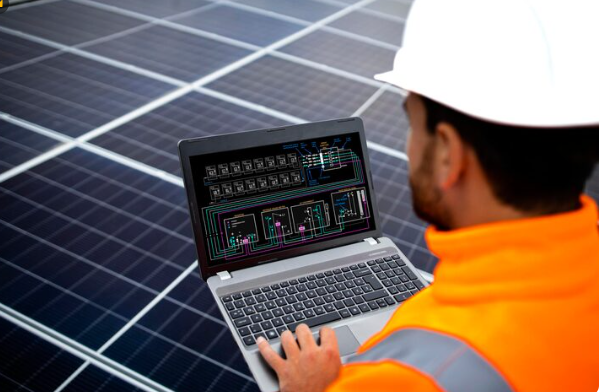
Nearly 600 gigawatts were added by solar in 2024, setting a new record that would have appeared unthinkable just ten years prior. In less than three years, the world’s capacity has doubled to more than two terawatts. Although encouraging, this momentum has overtaken current networks, requiring utilities to make tough decisions. Nowadays, “curtailment,” or the intentional shutdown of solar production when the grid cannot handle the excess, occurs in many areas. Ironically, the abundance of clean energy is no longer a resource advantage but rather a logistical problem.
Key Facts on Solar Expansion and Infrastructure Pressure
| Category | Infrastructure Challenge | Description | Impact | Reference |
|---|---|---|---|---|
| Grid Systems | Outdated Electricity Networks | Grids built for centralized power plants struggle with solar influx. | Voltage instability and energy curtailment. | https://www.iea.org |
| Energy Storage | Limited Battery Reserves | Solar output fluctuates, requiring massive storage expansion. | Intermittent power and reliability issues. | https://www.energy.gov |
| Supply Chains | Overreliance on China | Majority of panels produced in Asia, causing bottlenecks. | High vulnerability to global disruption. | https://www.irena.org |
| Workforce | Skill Shortages | Industry expansion exceeds supply of trained technicians. | Slower deployment and maintenance delays. | https://www.pv-tech.org |
| Regulation | Policy Lag | Infrastructure plans trail technological progress. | Inefficient market and grid congestion. | https://www.reuters.com |
Because older grids were never intended for this level of decentralization, they are especially stressed. In the past, a few huge facilities produced electricity, which was then distributed downward. By sending energy upward through millions of small producers, solar energy reverses the equation. Voltage and frequency are frequently destabilized by this reversed flow, particularly in places lacking sophisticated grid-balancing technology. In the lack of digital monitoring technologies, operators are forced to react rather than predict, which is especially dangerous and inefficient during peak hours.
Energy storage continues to be the biggest technical challenge. Solar energy is sporadic; it shines brilliantly during the day but disappears at dusk. Every spike in solar generation is accompanied by an equally dramatic decline after dusk if there is insufficient storage. Even though battery system growth is rising, it is still far behind the rate of new solar capacity. According to experts, stability will require a tenfold increase in global storage capacity by 2030. However, elements that are essential to the creation of batteries, such as nickel, cobalt, and lithium, are becoming more costly and concentrated in certain areas.
There are strategic and moral ramifications to this material concentration. Poor working conditions are prevalent in the mining of these resources, especially in regions of South America and Africa. However, China continues to dominate production, accounting for more than 80% of the world’s solar supply chain. The entire renewable energy revolution is vulnerable to geopolitical conflicts because of this dependence. Global solar deployment could be slowed by a single trade setback. In this way, highly interdependent systems continue to be essential to the transition to energy independence.
It’s quite difficult to even move the equipment. Because solar panels are heavy and fragile, shipping and installation require strong ports, highways, and cranes. Such logistical strength is sometimes lacking in developing nations, when sunlight is plentiful. Projects in regions of Southeast Asia and sub-Saharan Africa are delayed not due of policy but rather because there is a lack of the infrastructure needed to transfer panels. When compared to North America or Europe, where transportation infrastructure and supply lines have significantly improved, the disparity is especially noticeable.
The workforce gap is a new issue that has subtly surfaced as installation projects increase. The demand for qualified engineers, electricians, and maintenance personnel has skyrocketed due to the solar boom. However, training programs have not grown rapidly enough. Labor shortages have caused project backlogs in nations including the US, Australia, and Germany, increasing costs and postponing completion. In a technical revolution, it is a human bottleneck.
Meanwhile, governments have found it difficult to keep up with this change. Instead of reflecting the reality of distributed, renewable networks, regulatory structures continue to reflect the presumptions of centralized generation. Outdated market regulations deter local generation, and permitting procedures are still onerous. Some countries have improved significantly. For example, California has redesigned its tariffs to incentivize battery storage, and Germany has implemented dynamic pricing to promote energy use during solar peaks. Although restriction and flexibility have been greatly enhanced by these regulations, they are still outliers rather than the rule.
Infrastructure investment is now the deciding factor on a global scale. According to the International Energy Agency, upgrading grids and expanding storage systems will cost more than $600 billion annually until 2030. It’s a startling amount, but it’s also a very advantageous chance for long-term expansion. In addition to promoting renewable energy, developing smarter networks boosts economic resilience and generates high-value jobs. The foundation of 21st-century advancement may be the shift from antiquated, inflexible grids to adaptable, flexible ones.
The effects on society are already becoming apparent. Solar microgrids are changing lives in rural places by supplying electricity to schools and clinics that were previously reliant on diesel. Rooftop solar is quietly changing the economics of energy in cities by allowing homes to sell extra electricity back to utilities. Although consumers are greatly empowered by this democratization of production, grid systems that can effectively and safely handle this surge of tiny contributors are necessary.
Prominent voices have highlighted this difficulty. Elon Musk has consistently maintained that batteries, not solar panels, will define the next era and that “storage is the missing piece” of the clean energy equation. Likewise, Bill Gates has called on countries to invest in “green grids,” which balance large amounts of renewable energy sources, as the cornerstone of climate resiliency. Their viewpoints show a growing understanding that infrastructure and innovation are equally important to the development of solar energy.
One particularly creative solution is international cooperation. While Europe investigates transnational lines connecting Mediterranean solar farms with northern industrial regions, initiatives like India’s “One Sun, One World, One Grid” seek to connect solar power across continents. These innovative initiatives point to a time when energy can be shared internationally, with sunshine harvested in one area powering another hundreds of kilometers away. Despite their ambitious nature, such interconnected networks are becoming more feasible as high-efficiency transmission technologies evolve.
The solar surge has revealed humanity’s logistical limitations as well as its inventiveness. It illustrates how ambition may swiftly surpass preparation, a situation remarkably reminiscent of the internet’s meteoric rise in the previous decades. However, it also demonstrates resiliency. With a sense of urgency and hope, engineers, legislators, and inventors are adjusting remarkably quickly.