RawSolar has been reliably converting sunlight into electricity on rooftops in locations like Chorley, Preston, and Blackburn. More than just lowering homeowners’ bills, this MCS-certified UK solar panel installer is influencing the country’s energy narrative to be cleaner, less expensive, and noticeably more intelligent. RawSolar’s timing couldn’t be more advantageous given the rising cost of energy and the tightening of climate regulations.
RawSolar eliminates the kind of bureaucratic obstacles that have traditionally deterred the adoption of green energy by streamlining the process from quote to installation. Homeowners start with a postcode, get a customized quote, and proceed through a simplified process that includes expert installation, roof evaluations, and a smooth grid connection. This approach guarantees that homes are solar-active in a matter of weeks and is incredibly effective at every step.
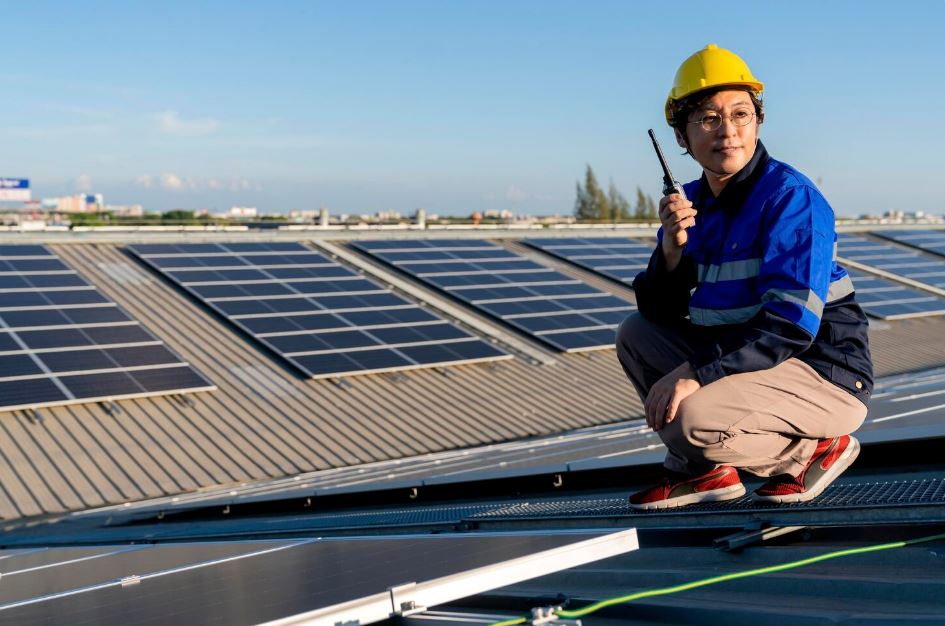
In the UK, solar panel prices have dropped dramatically in recent years, more than 70% from ten years ago. This cost-effectiveness has been optimized by RawSolar, which offers small home systems for less than £4,500. In addition to the Smart Export Guarantee and the UK government’s removal of VAT on domestic installations, solar now feels more like a self-paying home improvement than an environmental luxury.
Families can reduce their energy costs and receive quarterly payments from energy giants such as Octopus and EDF by exporting unused electricity back to the grid. With an average of 5p to 15p per kWh, these SEG payments frequently give solar-equipped homes a yearly return of £400 to £800. What was formerly regarded as a green luxury has evolved into a sensible financial tactic, especially in uncertain economic times.
| Topic | Details |
|---|---|
| Company Name | Raw Solar Limited |
| Registered Office | 32 Brieryfield Road, Preston, PR1 8SR, United Kingdom |
| Company Number | – |
| Services Offered | Domestic and commercial solar panel installation, battery storage |
| Certification | MCS-Certified, RECC-Registered |
| Coverage Area | Lancashire, North West England, North Wales |
| Typical Install Duration | 2 to 4 weeks from consultation to completion |
| Starting Cost | Approx. £3,500 for small residential systems (2 kW) |
| Supportive Policies | 0% VAT, Smart Export Guarantee (SEG), grid connection certification |
| Website | https://www.raw-solar.com |
RawSolar’s 4 kW systems are priced between £5,500 and £6,500 for medium-sized homes. This investment, which has a 6–9 year payback period, is remarkably comparable to buying a new kitchen appliance, but it generates income and has a smaller environmental impact. And the actual solar panels? They require very little upkeep other than the occasional cleaning and have a lifespan of at least 25 years.
Thanks to advancements in photovoltaic technology, the use of solar energy has increased in Britain during the last ten years. Modern solar panels are remarkably efficient at converting daylight into electricity, so they don’t require blazing sun. The UK’s temperate climate, where cloudy skies are frequent but rarely a barrier to energy production, makes this especially advantageous.
Battery storage, which enables users to store extra energy produced during the day and use it at night, significantly enhances RawSolar installations. This clever addition guarantees energy self-sufficiency during outages and lessens dependency on the National Grid during peak hours. Combining panels and batteries is a very flexible option for large homes or those with high evening consumption.
RawSolar guarantees adherence to RECC and MCS standards throughout the process, providing clients with complete transparency, strong warranties, and peace of mind. Their engineers are skilled energy specialists who guide clients through each step with incredibly clear instructions; they are more than just installers. Every touchpoint, from evaluating roof angles in Burnley to inspecting panel optimizers in Blackpool, is deliberate and expert.
Remarkably, RawSolar’s growing appeal reflects larger societal changes. Sustainability is becoming more and more of a status symbol in addition to a value. Renewable energy use is becoming a part of lifestyle identity, thanks to eco-conscious influencers and public figures like Emma Thompson. Previously linked to off-grid living, solar panels are now found on chic townhouses and contemporary smart homes, indicating a culture of both civic duty and technological advancement.
RawSolar has established a strong presence in the northern communities it serves by forming strategic alliances and hiring locally. Their emphasis on moral business practices and reasonably priced access is a welcome diversion from the big, faceless energy companies whose price increases continue to irritate the public. RawSolar is not only meeting a market need, but also reshaping it by offering certified, ethical substitutes.
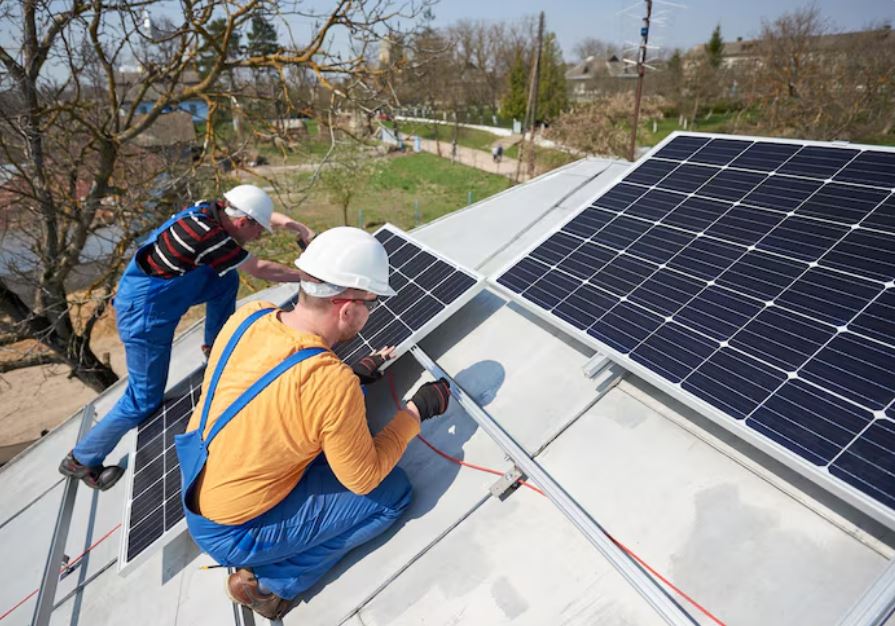
It’s noteworthy that homeowners are starting to understand the connection between solar adoption and property value. Modern solar-equipped homes are statistically more appealing to buyers, especially those looking for energy-efficient options. It’s a selling point that works in both urban and rural environments and captures the new reality that clean energy is an expectation rather than a feature.
The goals of RawSolar and Britain’s larger Net Zero 2050 objective are highly compatible. The country lessens its reliance on fossil fuels and strengthens resilience in the event of grid outages by increasing the number of homes equipped with solar power. It has two advantages: it reduces emissions and costs money. This change is cultural as well as infrastructural for communities like Haslingden and Poulton-le-Fylde.
RawSolar stays grounded by concentrating on family homes, mid-sized businesses, schools, and agricultural sites, while larger solar conglomerates pursue international deals and high-rise installations. This tactic guarantees scalability without sacrificing the individual touch. Because of its familiarity with the area and its industry-standard execution, RawSolar’s model is both exceptionally successful and extremely sustainable.
Companies like RawSolar will be more than just service providers in the upcoming years as the urgency of the climate crisis only grows; they will be partners in the advancement of the country. They are turning rooftops into silent change agents by continuously providing incredibly dependable systems at surprisingly low costs.
Beyond just kilowatts, RawSolar has an impact on lifestyle, policy, and even legacy. The answer is becoming more and more obvious for the homeowner in the UK who is unsure if this is the right time. One clean rooftop at a time, RawSolar offers a future full of independence, affordability, and impact rather than just selling panels.
How Much You Can Save By Installing Solar Panels In The UK
The cost of remaining connected to the grid has significantly increased in recent years, leading homeowners in the UK to think about long-term alternatives. Installing solar panels is one of the most efficient ways to lower household energy costs and promote greener national infrastructure. When solar panels are combined with battery storage, households can save up to £1,117 a year, making the financial case for solar energy especially strong. Average annual savings, even without a battery, range from £500 to £700; these numbers show a dramatic transition from a specialized investment to a basic need.
Contemporary photovoltaic systems can power appliances with remarkable consistency by harnessing daylight, even in cloudy conditions. Interestingly, households with a 4kW system are earning money through the Smart Export Guarantee (SEG) and reporting significant savings. Depending on the supplier and timing, this program pays homeowners between 5p and 30p per kilowatt-hour for each unused unit of electricity exported back to the grid. Returns are even higher for those who use dynamic tariffs during periods of peak demand.
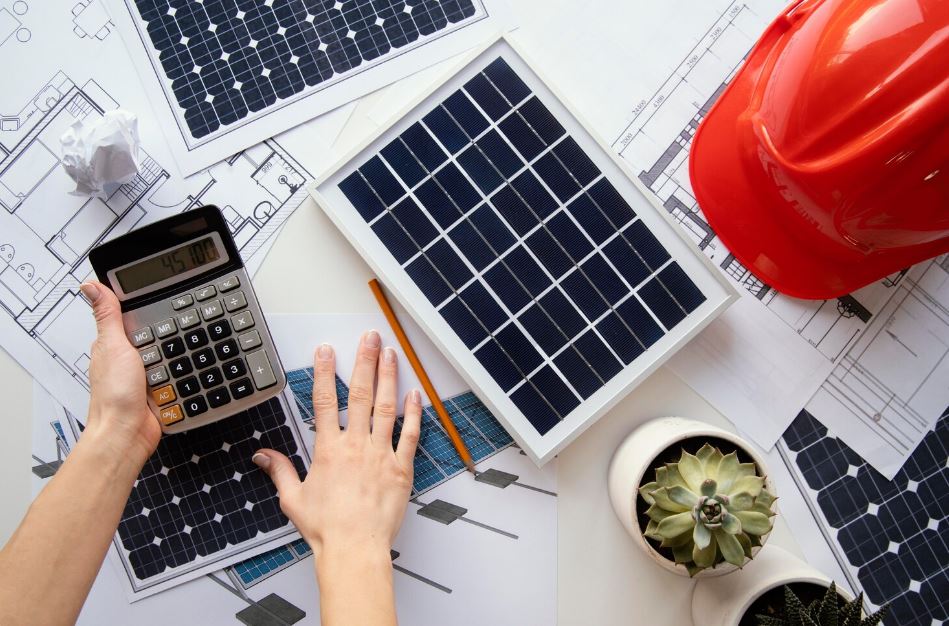
Solar energy has been a key factor in the UK’s explosive growth in the use of renewable energy over the last ten years. Families can lower their bills and help achieve national climate goals by installing panels. Nearly one tonne of carbon dioxide emissions are offset annually by the typical home with solar panels. That would be the same as taking an average gasoline-powered vehicle off the road for more than six months or planting more than 40 mature trees. These individual changes have a quantifiable effect on global warming.
Complete Breakdown of Solar Panel Installation Costs and Influencing Parameters in the UK
| Category | Parameter / Component | Description | Typical Cost Range (2025) | Notes / Impact on Cost |
|---|---|---|---|---|
| 1. Equipment | Solar Panels | The photovoltaic modules that capture daylight and convert it into electricity | £1,000 – £3,500 | Cost varies by size (2kW–6kW), efficiency, and manufacturer (monocrystalline more costly) |
| Inverter | Converts DC electricity from panels to usable AC for home appliances | £500 – £1,500 | Hybrid and microinverters cost more but are more flexible and battery-ready | |
| Mounting System | Rails, brackets, clamps for rooftop panel installation | £300 – £700 | May increase for slate or complex roof structures | |
| Battery Storage (Optional) | Stores excess solar energy for nighttime or high-demand use | £2,000 – £6,500 | Greatly increases self-use and cuts reliance on the grid | |
| Monitoring System | Smart meters, mobile apps, or dashboards to track usage | £150 – £500 | Some come free with premium inverters | |
| Electrical Gear & Safety Equipment | Includes isolators, cabling, fuses, grounding, and meter upgrades | £400 – £1,200 | Required for safety, varies by home wiring condition | |
| 2. Labour & Installation | Scaffolding | Temporary setup for roof access during installation | £400 – £1,000 | Required for safety compliance |
| Labour (Design, Install, Testing) | Trained professionals for system design, wiring, install, and commissioning | £1,000 – £3,000 | Labour varies by system size and installer rates | |
| 3. Admin & Compliance | MCS Certification | Accreditation for legal grid connection, access to SEG & warranties | Often Included | Ensures your system is legally compliant and SEG-eligible |
| Building/Planning Permission (if needed) | May apply in conservation zones or listed buildings | £0 – £528 | Most homes do not require it | |
| EPC Update | Energy Performance Certificate, required for some financing or resale benefits | £60 – £120 | Boosted by solar install, may improve property value | |
| 4. Optional Add-Ons | Solar Diverter Switch | Redirects excess energy to your immersion heater for hot water | £400 – £900 | Saves on hot water heating, pays back in ~3–4 years |
| EV Charger Integration | Uses solar to charge electric vehicles | £500 – £1,200 | Great for EV owners; may qualify for OZEV grant | |
| Backup Generator Compatibility | Allows solar + battery setup to power critical loads during grid outage | £300 – £1,000 | Less common, used for rural homes | |
| 5. Ongoing / Hidden Costs | Maintenance / Cleaning | Basic cleaning and inspection every 2–3 years | £50 – £150 per visit | Panels have no moving parts, so maintenance is low |
| Inverter Replacement (After 10–15 Years) | Inverters typically wear out faster than panels | £800 – £1,200 | Often needed once during 25–30 year system lifespan | |
| Battery Replacement (After 10–15 Years) | If installed, battery lifespan may require replacement over decades | £2,000 – £5,000 | Newer LFP batteries have longer lifespans | |
| 6. Factors That Affect Costs | System Size (kW) | Larger systems cost more but generate greater savings | 2kW – 6kW standard | Impacts equipment cost, payback time, and export income |
| Roof Type & Orientation | South-facing is ideal; slate or complex roofs increase cost | n/a | East/west orientation still viable with efficiency optimizers | |
| Shading and Obstructions | Trees, chimneys, and nearby buildings reduce output | n/a | Optimisers or microinverters can help mitigate loss | |
| Location in UK | Southern regions generate more electricity (Cornwall > Aberdeen) | n/a | Impacts annual yield and payback time | |
| Energy Consumption Profile | Daytime-heavy usage increases savings potential | n/a | Especially useful for remote workers, EV owners, heat pump users | |
| Access to Government Schemes | SEG, 0% VAT, ECO4, Solar Together bulk discounts | £1,000–£3,000 savings | Helps reduce upfront costs | |
| Local Installer Rates | Labour and travel fees vary by region | n/a | South East/London often 10–15% more than national average |
Returns are accelerating for homeowners who use more energy during the day, such as those who use heat pumps, charge EVs, or work remotely. For instance, a couple in Somerset reduced their annual energy costs by £750 by installing 18 solar panels and combining them with a heat pump and an electric vehicle charger. These days, their house runs mostly off the grid during the day, and thanks to battery storage, they are also protected at night.
Installation costs are now surprisingly low thanks to local programs like Solar Together and strategic alliances. Quotes have been reduced by up to 35% thanks to group-buying programs, particularly when paired with council-backed green funding and 0% VAT. For instance, a 4kW system used to cost more than £9,000, but it now typically costs between £5,000 and £6,000. The overall cost may increase to £10,000 when combined with a 5kWh battery, but the savings are spread over 25–30 years, making the return on investment extremely effective.
The integration of sophisticated battery systems results in a notable increase in self-consumption. Usually, only 30 to 40 percent of what they produce is used in homes without batteries. However, usage can rise above 70% when energy is stored and used later in the day, reducing the household’s dependency on the national grid. When the cost of grid electricity is at its highest in the evening, this approach is especially advantageous.
Solar is anticipated to become a standard feature for new construction in the UK in the upcoming years. Developers are incorporating PV systems into their initial design plans as net-zero legislation gains traction. This is a pragmatic trend as well as a regulatory one. Studies show that installing solar tends to increase property value by 4–14%, particularly in homes where the Energy Performance Certificate (EPC) affects saleability.
It’s important to note that panels require very little maintenance and can last up to 25 years. There are no moving parts to wear out, but cleaning and sporadic performance checks are advised. Younger families seeking low-maintenance savings or older homeowners anticipating long-term financial stability in retirement find this longevity especially appealing.
Plug-and-play balcony systems, such as the EcoFlow STREAM Solar Plant, are a clever substitute for urban homes with limited roof space or areas that receive little sunlight. These kits have integrated microinverters and scalable storage capacity, making them ideal for smaller spaces. They are perfect for people who can’t install a complete rooftop system, like renters or apartment owners. These systems, which are remarkably adaptable and work with more than 99 percent of solar panels, have made solar energy more accessible to people who were previously excluded.
Solar energy has evolved from an environmental badge to a personal energy strategy through strategic public-private partnership. Installing solar panels is increasingly seen as a step towards energy independence, much like moving from gasoline to hybrid vehicles. Few investments offer this degree of savings, independence, and societal benefit in a single solution when it comes to household economics.
Although upfront costs used to be a barrier, government-sponsored initiatives like the Great British Insulation Scheme, Home Energy Scotland, and ECO4 have significantly increased access for low-income or fuel-poor households. To help families understand their unique savings potential before making a commitment, apps such as Solar Together and the Energy Saving Trust calculator provide customized estimates. These tools’ clarity makes the decision-making process very evident.
As remote work became more common during the pandemic, home energy consumption increased. The way households view energy was drastically altered by that change. Many people are switching from being passive consumers to active producers, managing their consumption, utilizing daylight, and making money through exports. This change is a result of consumers’ increasing desire for intelligent, user-controlled, decentralized energy models.
By opting for solar, homeowners in the UK are actively contributing to a national climate solution in addition to changing their monthly spending plans. The cultural momentum behind solar is still growing, as evidenced by grassroots initiatives supporting clean-energy co-ops and celebrity endorsements of household electrification like Emma Thompson. Even though these panels are static on a rooftop, they have a dynamic impact that is both environmentally rejuvenating and financially empowering.
Therefore, the answer to the question, “How much can you really save by installing solar panels in the UK?” is very obvious. It goes beyond the numbers on a bill. It’s about building a smarter, more affordable, and cleaner energy future. What’s the best part? You already have that future on your roof.